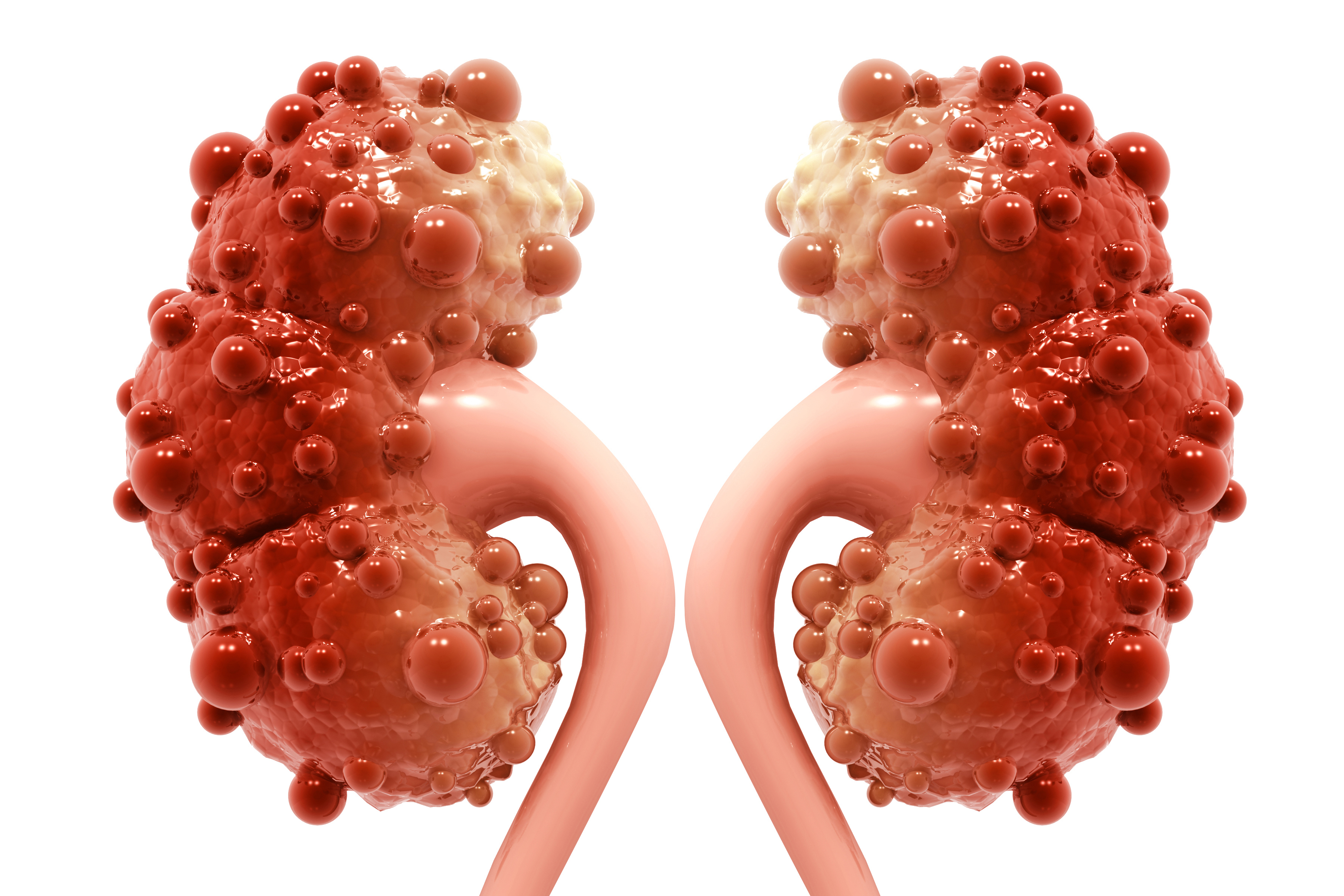
Cystic kidney disease refers to conditions where fluid-filled sacs (cysts) form in one or both kidneys. These cysts may be harmless or may grow in number and size, leading to kidney damage or failure. The condition can be inherited or acquired.
Types of Cystic Kidney Diseases
-
Simple Renal Cysts:
- Non-cancerous and common in older adults
- Usually do not affect kidney function
- Often found during imaging for other reasons
-
Polycystic Kidney Disease (PKD):
- A genetic disorder causing many cysts in both kidneys
- Two main types:
- Autosomal Dominant PKD (ADPKD): Symptoms appear in adulthood
- Autosomal Recessive PKD (ARPKD): Begins in infancy or childhood
- Can lead to kidney failure if untreated
-
Multicystic Dysplastic Kidney (MCDK):
- A birth defect where one kidney is replaced by cysts
- The affected kidney usually doesn’t function
- The other kidney typically works normally
-
Medullary Sponge Kidney:
- Congenital condition where small cysts form in the kidney tubules
- Often discovered in adulthood
- Associated with kidney stones and urinary tract infections
-
Acquired Cystic Kidney Disease (ACKD):
- Occurs in patients with chronic kidney disease or on dialysis
- Cysts form over time as the kidneys shrink and scar
- Increases the risk of kidney tumors
Symptoms of Cystic Kidney Disease
- Some people may have no symptoms, especially with simple cysts. Others may experience:
- Flank or back pain
- High blood pressure
- Blood in urine
- Urinary tract infections
- Abdominal fullness or swelling
- Decline in kidney function
Causes and Risk Factors
- Genetic mutations (especially in PKD)
- Long-term dialysis
- Family history of kidney disease
- Age (simple cysts more common after age 50)
Diagnosis of Cystic Kidney Diseases
- Ultrasound: First-line, non-invasive tool
- CT scan or MRI: Detailed imaging when needed
- Blood tests: Check kidney function (creatinine, eGFR)
- Urine tests: Detect blood or protein leakage
Treatment and Management
- Simple cysts: Often need no treatment unless causing pain
- PKD: Requires blood pressure control, lifestyle changes, and regular monitoring
- Pain relief: For cyst rupture or enlargement
- Dialysis or transplant: For kidney failure
- Surgery: Rare, but may be done to drain or remove large cysts
Living with Cystic Kidney Disease
- Follow a low-salt, kidney-friendly diet
- Stay hydrated but avoid excessive fluid intake
- Avoid smoking and limit alcohol
- Monitor blood pressure regularly
- Keep up with medical appointments and imaging
When to Seek Medical Help
- Sudden or severe abdominal or back pain
- Blood in urine
- Uncontrolled blood pressure
- Symptoms of kidney failure (nausea, fatigue, swelling)

Dr. Anuja Porwal
MBBS, DNB Medicine & DNB Nephrology
Director of Nephrology at Fortis Hospital, Noida