Urinary Tract Infection (UTI)
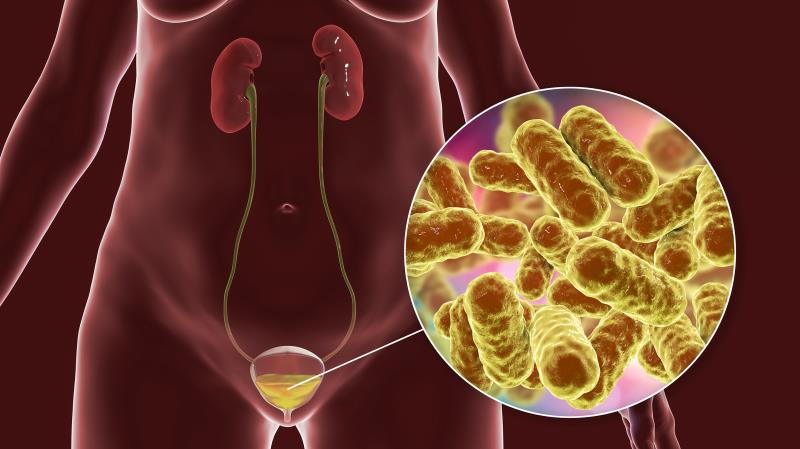
A Urinary Tract Infection (UTI) is an infection that affects any part of the urinary system. This includes the kidneys, bladder, ureters, and urethra. Most UTIs affect the bladder and urethra and are more common in women.
Common Causes of UTIs
UTIs are usually caused by bacteria, especially Escherichia coli (E. coli), which enters through the urethra. Other causes include:
- Poor hygiene
- Holding urine for long periods
- Use of catheters
- Sexual activity
- Blockages in the urinary tract
- Weakened immune system
Types of Urinary Tract Infections
- Cystitis: Infection of the bladder
- Urethritis: Infection of the urethra
- Pyelonephritis: Infection of the kidneys (more severe)
Symptoms of a UTI
Symptoms can range from mild to severe. Common signs include:
- Burning sensation while urinating
- Frequent urge to urinate
- Cloudy or strong-smelling urine
- Pain in the lower abdomen
- Blood in urine
- Fever or chills (in kidney infections)
- Back pain (if kidneys are involved)
UTIs in Children and Elderly
- Children may show signs like fever, irritability, and poor feeding.
- Elderly individuals may present confusion, weakness, or falls without the typical symptoms.
How Is a UTI Diagnosed?
Diagnosis is simple and quick:
- Urine test: Detects bacteria, white blood cells, or blood
- Urine culture: Identifies the type of bacteria
- Imaging tests: If infections are recurrent or severe
Treatment for Urinary Tract Infections
UTIs are treated with antibiotics. The type and duration depend on the infection's severity.
- Mild UTIs: Oral antibiotics for 3–7 days
- Severe or kidney infections: IV antibiotics may be needed
- Pain relief: Over-the-counter medications ease discomfort
Home Remedies and Prevention
While antibiotics are essential, home tips help prevent future infections:
- Drink plenty of water
- Urinate frequently and don’t hold urine
- Wipe front to back after using the toilet
- Avoid harsh soaps and scented products
- Urinate after sexual activity
- Wear cotton underwear and avoid tight clothing
UTIs in Men vs. Women
Women get UTIs more often due to a shorter urethra. However, UTIs in men may indicate a more serious issue and require thorough evaluation.
Recurrent UTIs – What to Do?
Some people suffer from repeated infections. Prevention includes:
- Low-dose daily antibiotics (as prescribed)
- Cranberry supplements (evidence varies)
- Regular follow-ups with a doctor
- Managing underlying health issues
When to Seek Medical Attention
- Have persistent or severe symptoms
- Notice blood in your urine
- Experience fever, chills, or back pain
- Have frequent UTIs