Peritoneal Dialysis
Peritoneal dialysis (PD) is a treatment for kidney failure. It uses the lining of your abdomen, called the peritoneum, to filter waste and extra fluid from your blood. Unlike hemodialysis, it doesn’t require a machine or hospital visits. You can do it at home, work, or even while sleeping.
How Peritoneal Dialysis Works
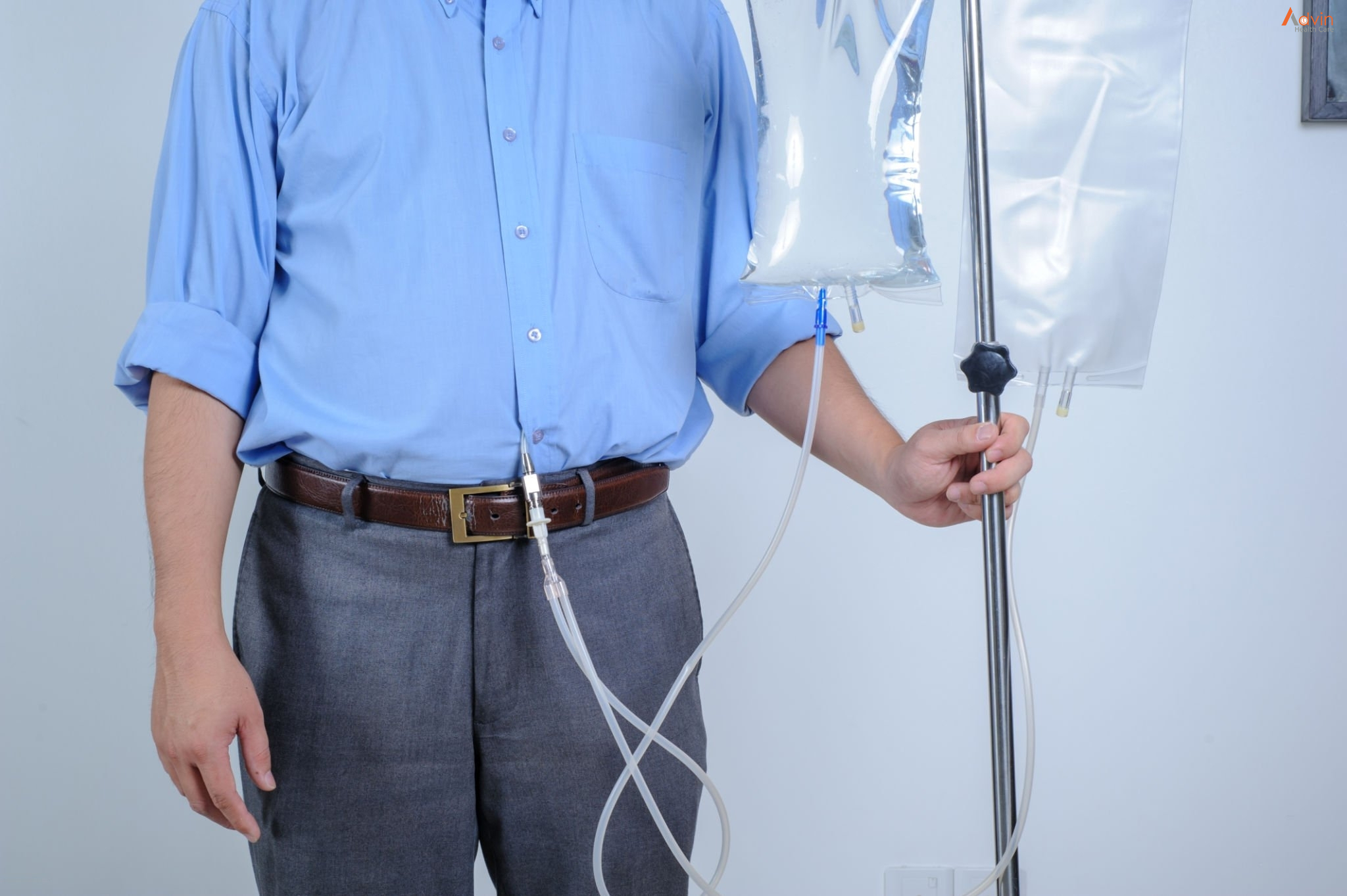
A soft tube called a catheter is placed in your abdomen through a minor surgery. A sterile solution called dialysate flows into your belly. This fluid absorbs waste and toxins. After a few hours, the fluid is drained and replaced with fresh dialysate. This cycle is called an exchange.
Types of Peritoneal Dialysis
- Continuous Ambulatory Peritoneal Dialysis (CAPD)
Done manually
Requires 3–5 exchanges per day
Each exchange takes 30–40 minutes
No machine needed - Automated Peritoneal Dialysis (APD)
Uses a machine called a cycler
Performed at night while you sleep
Exchanges happen automatically
Offers more freedom during the day
Who Can Choose Peritoneal Dialysis?
Peritoneal dialysis suits many patients, especially those:
- Wanting to dialyze at home
- With stable blood pressure
- Who are active or employed
- Living far from a dialysis center
However, it may not be ideal for people with abdominal scars or hernias.
Benefits of Peritoneal Dialysis
- Flexible schedule and independence
- Gentler on the body than hemodialysis
- No needles involved
- Better preservation of remaining kidney function
- Fewer diet and fluid restrictions
Risks and Complications
Like all treatments, PD has potential risks:
- Peritonitis: Infection of the abdominal lining
- Catheter infections
- Weight gain from sugar in dialysate
- Hernias due to pressure in the abdomen
Good hygiene and proper training reduce these risks.
Lifestyle and Diet Tips for PD Patients
- Eat a low-sodium, low-phosphorus diet
- Get enough protein to support healing
- Monitor fluid intake to avoid swelling
- Stay active and maintain a healthy weight
- Avoid sugary foods, as dialysate contains glucose
How to Prepare for Peritoneal Dialysis
Before starting, you’ll undergo:
- A full medical evaluation
- Catheter placement surgery
- Training to learn how to perform exchanges
Support from a care team ensures confidence and safety at home.
Comparing PD and Hemodialysis
| Feature | Peritoneal Dialysis | Hemodialysis |
|---|---|---|
| Location | Home or anywhere | Dialysis center/home |
| Frequency | Daily | 3 times a week |
| Equipment | Minimal | Large machine |
| Invasiveness | No needles | Needles required |
| Flexibility | High | Limited |
How Long Can You Stay on Peritoneal Dialysis?
Many patients can stay on PD for several years. Eventually, the peritoneum may become less effective. At that point, switching to hemodialysis or getting a transplant is necessary. Regular check-ups help track effectiveness.