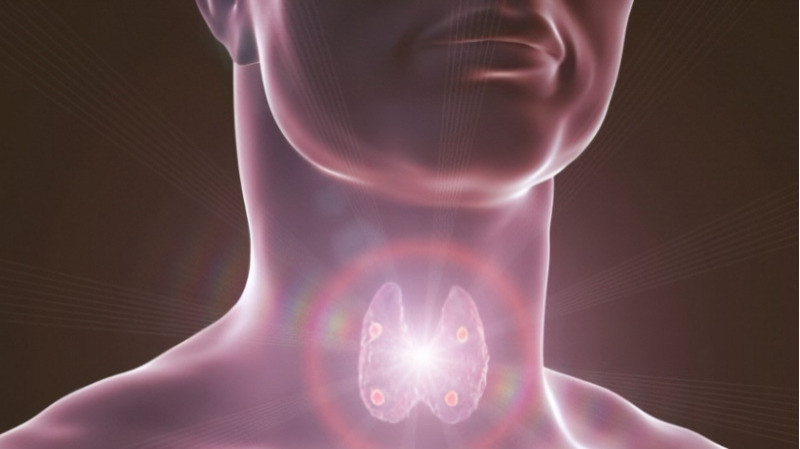
The parathyroid glands control calcium and phosphate balance in the body. They release parathyroid hormone (PTH), which maintains proper calcium levels by acting on bones, kidneys, and intestines. In chronic kidney disease (CKD), this balance is disrupted.
Why Parathyroid Disorders Occur in CKD
As kidney function declines, phosphate builds up in the blood. Simultaneously, the kidneys produce less active vitamin D (calcitriol), reducing calcium absorption from the gut. These changes cause low calcium levels, which trigger overproduction of PTH—a condition called secondary hyperparathyroidism (SHPT).
Types of Parathyroid Disorders in CKD
- Secondary Hyperparathyroidism (SHPT):
- Most common in CKD
- Triggered by low calcium, high phosphate, and low vitamin D
- PTH levels increase as compensation
- Leads to bone disease, vascular calcification, and heart issues
- Tertiary Hyperparathyroidism:
- Occurs after long-term SHPT
- Parathyroid glands become enlarged and autonomous
- PTH remains high even after kidney transplant
- Causes high calcium and PTH levels
- Adynamic Bone Disease:
- Over-suppression of PTH
- Often due to excessive use of vitamin D or calcium-based binders
- Leads to poor bone turnover and fractures
Symptoms of Parathyroid Disorders in CKD
- Bone pain or fractures
- Muscle weakness
- Joint pain
- Itching (due to high phosphate)
- Vascular calcification
- Fatigue
Diagnosis and Monitoring
- Blood tests:
- Serum calcium
- Phosphate
- PTH levels
- Vitamin D levels
- Bone imaging:
- X-rays or DEXA scans to assess bone density
- Regular monitoring:
- Every 3–6 months in CKD stages 3–5
Treatment Options
- Phosphate Binders:
- Reduce phosphate absorption from food
- Non-calcium-based binders are preferred in many cases
- Vitamin D Supplements:
- Calcitriol or analogs help suppress PTH
- Improves calcium absorption
- Calcimimetics (e.g., Cinacalcet):
- Mimic calcium to trick the parathyroid into lowering PTH
- Used when PTH remains high despite other treatments
- Dietary Modifications:
- Low phosphate diet
- Avoid high-phosphorus foods (colas, dairy, processed meats)
- Parathyroidectomy:
- Surgical removal of overactive parathyroid glands
- Reserved for severe, unresponsive cases
Prevention and Lifestyle Tips
- Follow a CKD-specific diet
- Take medications as prescribed
- Monitor lab values regularly
- Stay active to support bone health
- Avoid excessive calcium supplements

Dr. Anuja Porwal
MBBS, DNB Medicine & DNB Nephrology
Director of Nephrology at Fortis Hospital, Noida