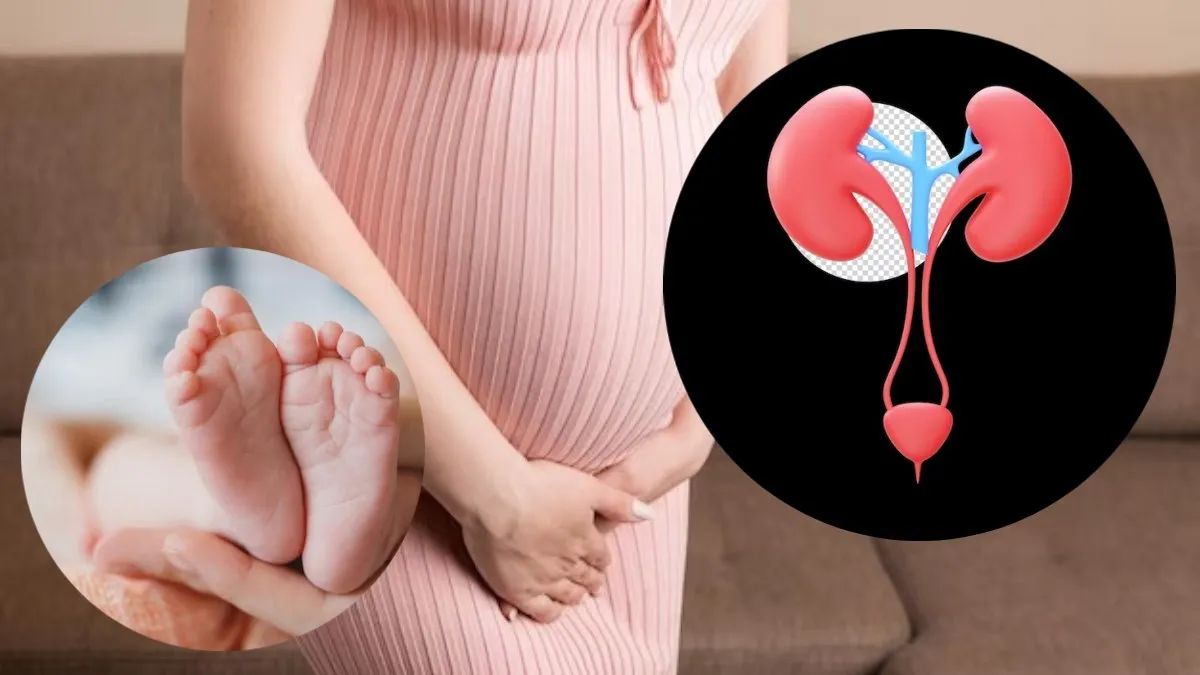
Kidney diseases during pregnancy refer to pre-existing or newly developed kidney conditions that affect the health of both mother and baby. They may include chronic kidney disease (CKD), acute kidney injury (AKI), or urinary tract infections (UTIs). Managing these conditions is crucial for a safe pregnancy.
Types of Kidney Problems in Pregnancy
Several kidney-related conditions may arise or worsen during pregnancy:
- Chronic Kidney Disease (CKD): May affect fertility and pregnancy outcomes
- Acute Kidney Injury (AKI): Sudden kidney failure, often caused by infections or bleeding
- Urinary Tract Infections (UTIs): Very common during pregnancy, can lead to complications if untreated
- Preeclampsia: A dangerous condition causing high blood pressure and possible kidney damage
- Glomerulonephritis: May reactivate or worsen due to hormonal and immune system changes
Causes and Risk Factors
Pregnancy places additional stress on the kidneys. Risk factors include:
- History of kidney disease
- Diabetes or hypertension
- Lupus or other autoimmune diseases
- Family history of kidney problems
- Multiple pregnancies or advanced maternal age
Symptoms of Kidney Disease in Pregnancy
Symptoms may be subtle or mistaken for normal pregnancy changes. Look out for:
- Swelling in hands, feet, or face
- High blood pressure
- Protein or blood in the urine
- Reduced urine output
- Fatigue or shortness of breath
- Persistent nausea
How Are Kidney Issues Diagnosed During Pregnancy?
Timely diagnosis helps prevent complications. Common tests include:
- Urine tests: Check for protein, blood, and infections
- Blood tests: Monitor creatinine and urea levels
- Blood pressure monitoring: Detects signs of preeclampsia
- Ultrasound: Assesses kidney size and structure
- Fetal monitoring: Ensures baby’s growth and well-being
Complications of Kidney Disease in Pregnancy
If not properly managed, kidney disease can lead to:
- Preeclampsia or eclampsia
- Preterm labor
- Low birth weight
- Miscarriage or stillbirth
- Worsening of maternal kidney function
- Need for early delivery or intensive care
Managing Kidney Disease in Pregnancy
Multidisciplinary care is essential. Treatment may include:
- Regular monitoring: Kidney function, blood pressure, and fetal health
- Medications: Only pregnancy-safe drugs are used
- Dietary changes: Low-sodium, low-protein, and high-fiber diets
- Fluid management: Proper hydration without overloading the kidneys
- Early planning for delivery: In high-risk cases, early delivery may be necessary
Tips for a Healthy Pregnancy with Kidney Disease
- Plan pregnancy with your nephrologist and obstetrician
- Control blood sugar and blood pressure before conception
- Avoid harmful medications and supplements
- Rest adequately and manage stress
- Stay hydrated and eat a balanced diet
- Attend all prenatal checkups
When to Seek Urgent Medical Care
Seek immediate help if you notice:
- Sudden swelling or weight gain
- Severe headaches or visual changes
- High blood pressure
- Decreased fetal movement
- Chest pain or breathing difficulty