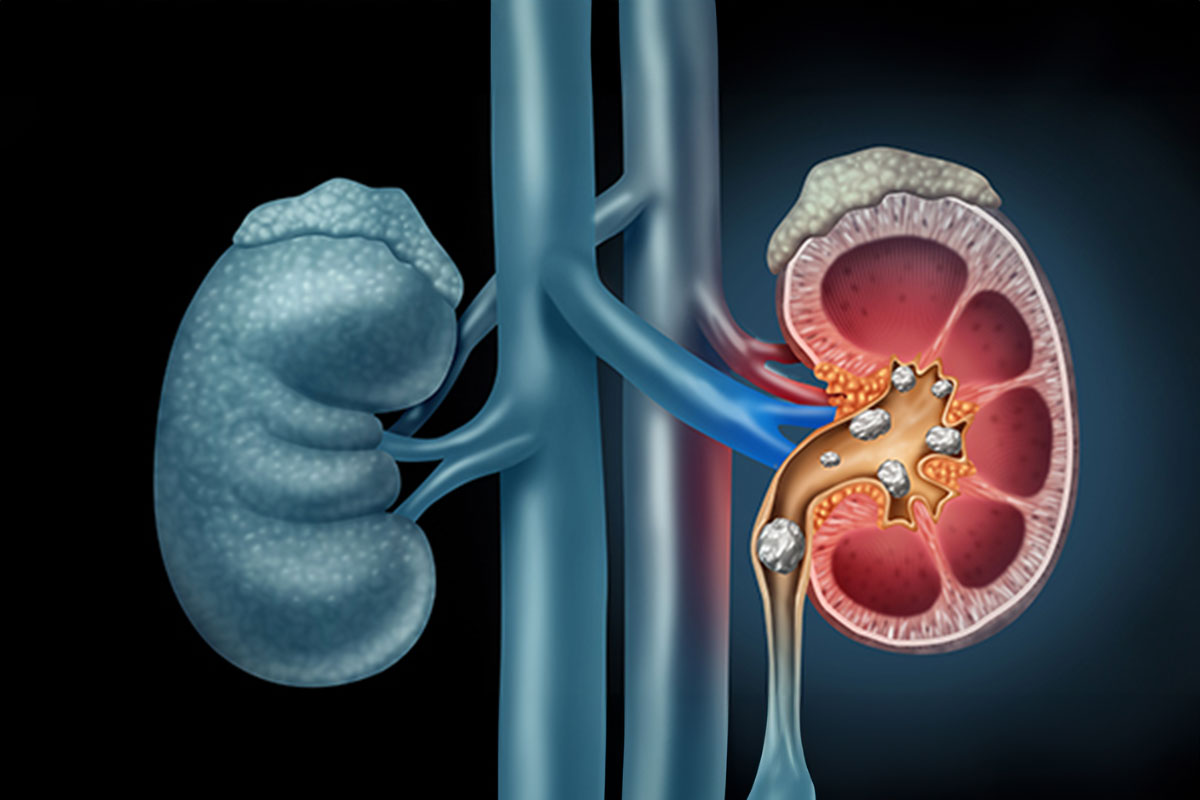
Kidney stone disease, also known as nephrolithiasis or renal calculi, is a painful yet common condition that affects the urinary tract. It occurs when minerals and salts crystallize inside the kidneys, forming stones of varying sizes. While some kidney stones are small and pass unnoticed, others may block the flow of urine and cause intense pain. Kidney stone disease is a recurring condition for many patients, but with proper treatment and preventive measures, it can be effectively managed.
This article explores the causes, risk factors, symptoms, diagnosis, treatment options, diet plans, and preventive strategies for kidney stone disease.
Causes of Kidney Stone Disease
Kidney stones form when urine becomes concentrated, allowing minerals and salts to crystallize and stick together. Several factors contribute to stone formation:
- Dehydration: Inadequate fluid intake is one of the leading causes.
- Dietary Habits: High intake of sodium, protein, or oxalate-rich foods increases risk.
- Genetics: Family history makes individuals more prone.
- Medical Conditions: Hyperparathyroidism, obesity, diabetes, and gout can trigger stone formation.
- Medications: Certain diuretics, calcium-based antacids, and supplements may promote stone growth.
Types of Kidney Stones
Different stones form based on urine composition:
- Calcium Stones: The most common, often calcium oxalate or calcium phosphate.
- Uric Acid Stones: Linked to high-protein diets or gout.
- Struvite Stones: Usually caused by urinary tract infections (UTIs).
- Cystine Stones: Rare and associated with inherited metabolic disorders.
Risk Factors
The following factors increase the likelihood of developing kidney stones:
- Family or personal history of stones
- Dehydration due to low water intake or hot climates
- Diet high in salt, red meat, or processed foods
- Obesity and sedentary lifestyle
- Certain digestive conditions like Crohn’s disease or gastric bypass surgery
Symptoms of Kidney Stones
The severity of symptoms depends on the stone’s size and location. Common signs include:
- Severe, sharp pain in the back or side (renal colic)
- Pain radiating to the lower abdomen or groin
- Blood in urine (hematuria)
- Frequent urge to urinate
- Burning sensation while urinating
- Cloudy or foul-smelling urine
- Nausea and vomiting
- Fever and chills in cases of infection
Diagnosis of Kidney Stone Disease
Doctors use several diagnostic tools to confirm kidney stones:
- Physical Examination: Assessing pain location and medical history.
- Urine Tests: Detect abnormal substances like calcium or oxalate.
- Blood Tests: Identify high levels of uric acid or calcium.
- Imaging: CT scan is the gold standard, but ultrasound and X-rays are also used.
Treatment Options for Kidney Stones
Conservative Management
Small stones often pass naturally with adequate hydration and pain control. Doctors may recommend:
- Drinking 2–3 liters of water daily
- Pain relief with NSAIDs or acetaminophen
- Alpha-blocker medications to relax ureters and aid passage
Medical Procedures
When stones are too large or cause complications, procedures may be necessary:
- Extracorporeal Shock Wave Lithotripsy (ESWL): Uses sound waves to break stones into smaller fragments.
- Ureteroscopy: A thin scope removes or breaks stones in the urinary tract.
- Percutaneous Nephrolithotomy (PCNL): Minimally invasive surgery for large stones.
- Open Surgery: Rare, used only when other methods fail.
Medications for Prevention
- Potassium citrate to reduce calcium stone formation
- Allopurinol for uric acid stones
- Thiazide diuretics to reduce calcium excretion
Diet and Lifestyle Recommendations
Foods to Include
- Fresh fruits and vegetables (citrus fruits help prevent stones)
- Whole grains and fiber-rich foods
- Adequate calcium from natural sources like dairy or leafy greens
- Plenty of water and herbal teas
Foods to Avoid
- Excessive salt and processed foods
- High animal protein (red meat, organ meats)
- Oxalate-rich foods such as spinach, nuts, beets, and chocolate
- Sugary beverages and sodas
Daily Habits
- Drink enough fluids to produce at least 2 liters of urine daily
- Exercise regularly to maintain a healthy weight
- Avoid skipping meals, as it affects urine composition
Complications of Untreated Kidney Stones
If left untreated, kidney stones may cause:
- Recurrent urinary tract infections
- Hydronephrosis (swelling of kidneys due to blocked urine)
- Chronic kidney damage
- Sepsis in severe infections
Prevention of Kidney Stones
Preventive strategies reduce the chances of recurrence:
- Stay hydrated throughout the day
- Limit salt and processed foods
- Maintain a balanced diet with adequate calcium
- Reduce high-oxalate foods if prone to calcium oxalate stones
- Regularly follow up with your healthcare provider
Prognosis and Outlook
Most kidney stones can be treated effectively, and many pass on their own. With proper lifestyle adjustments, the recurrence rate can be reduced significantly. Patients who adopt preventive habits enjoy a better quality of life and fewer complications.