Protein in urine – Proteinuria
Proteinuria is the presence of excess protein in the urine. Normally, kidneys filter waste while keeping essential proteins in the blood. When this function weakens, proteins like albumin leak into the urine.
Causes of Proteinuria
Proteinuria can result from various health conditions.
- Kidney disease: Most common cause.
- Diabetes: Damages filtering units of the kidneys.
- High blood pressure: Strains kidney function.
- Infections: Especially urinary tract infections.
- Immune disorders: Like lupus or IgA nephropathy.
Sometimes, dehydration, stress, or intense exercise can cause temporary proteinuria.
Symptoms of Proteinuria
Early stages may not show symptoms. As protein loss increases, signs include:
- Foamy or bubbly urine
- Swelling in hands, feet, or face
- Fatigue
- Weight gain due to fluid retention
- Frequent urination
Types of Proteinuria
- Transient Proteinuria: Temporary, often from stress, fever, or exercise.
- Orthostatic Proteinuria: Occurs in children and teens during standing or daytime activity.
- Persistent Proteinuria: Ongoing issue, often linked to kidney disease.
Diagnosis of Protein in Urine
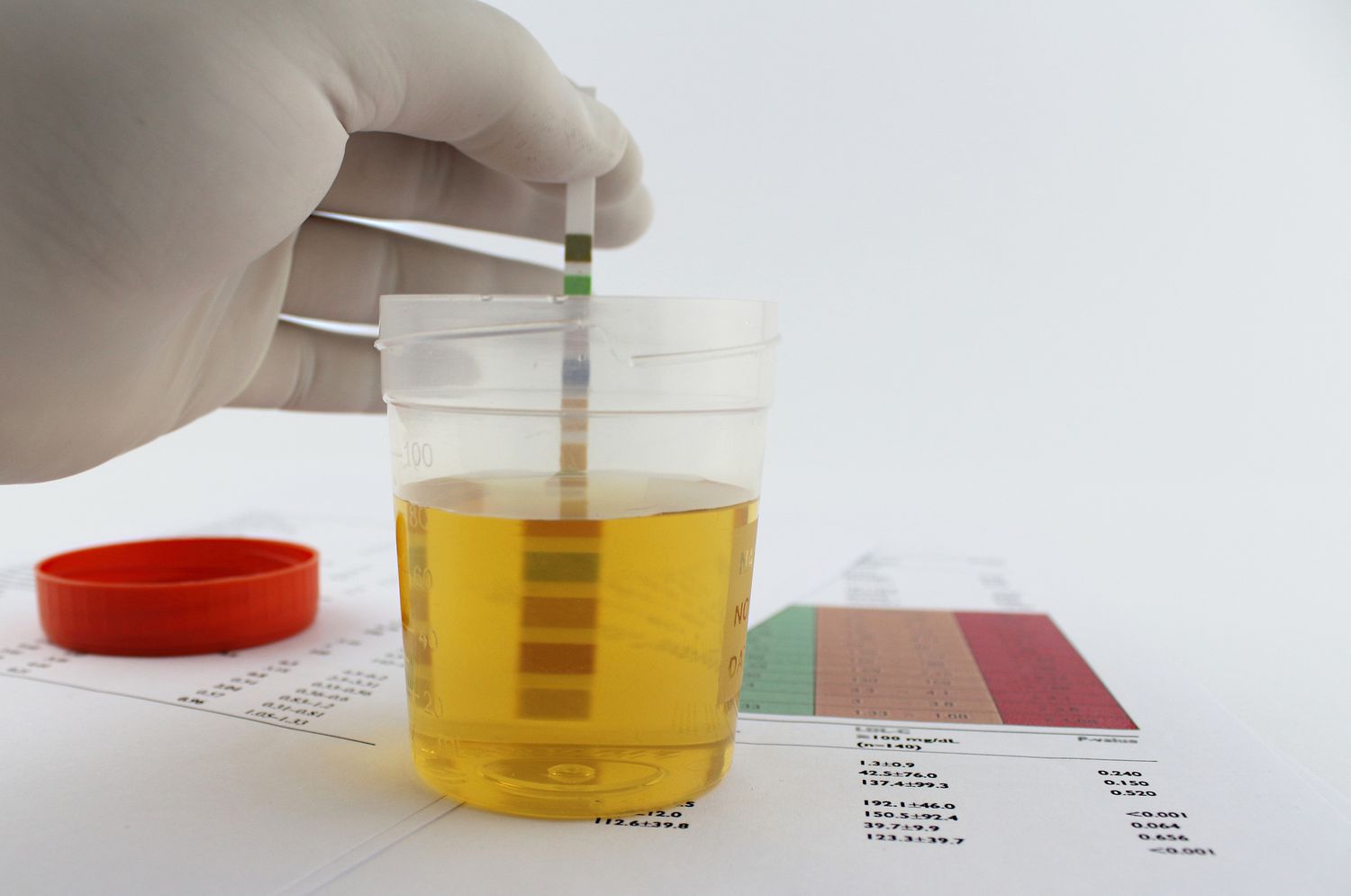
A simple urine test can detect protein. Doctors may perform:
- Urinalysis: Basic screening.
- 24-hour urine test: Measures protein amount in a full day.
- Urine albumin-to-creatinine ratio (UACR): Detects early kidney issues.
- Blood tests and imaging: To evaluate kidney function and structure.
Treatment Options for Proteinuria
Treatment depends on the underlying cause.
- Blood pressure control: Using ACE inhibitors or ARBs.
- Diabetes management: Keeps blood sugar levels normal.
- Diet changes: Low-salt, low-protein diets can help.
- Kidney disease treatment: Specific care based on diagnosis.
Reducing protein loss protects kidney function long-term.
Diet and Lifestyle Changes
Healthy habits support kidney health.
- Drink adequate water.
- Avoid processed foods.
- Maintain a healthy weight.
- Limit sodium and sugar.
- Exercise regularly.
Avoid overuse of NSAIDs and stay on prescribed medications.
Proteinuria in Children
In kids, proteinuria may signal kidney issues or just be harmless. Orthostatic proteinuria is common and usually not serious. Persistent protein in urine needs specialist evaluation. Parents should seek medical advice if symptoms appear.
When to See a Doctor
Consult a doctor if you notice foamy urine, swelling, or fatigue. Annual checkups are essential, especially for those with diabetes, high blood pressure, or family history of kidney problems.
Complications If Left Untreated
Chronic proteinuria can damage kidneys further. It may lead to chronic kidney disease (CKD) or even kidney failure. Early treatment prevents severe complications.